

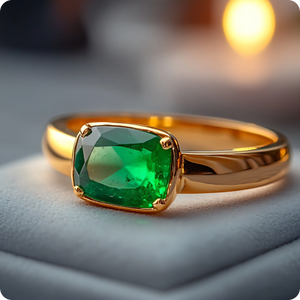
 Emerald (Panna)
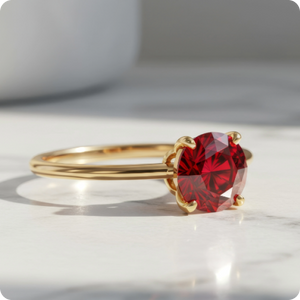
 Ruby (Manik)
 Yellow Sapphire (Pukhraj)
 Blue Sapphire (Neelam)
 White Sapphire (Safed Pukhraj)
 Hessonite (Gomed)
 Red Coral (Moonga)
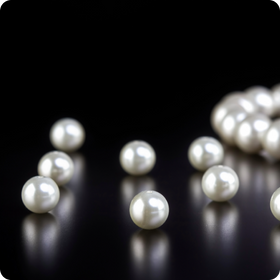
 Pearl (Moti)
 Cats Eye (Lahsuniya)
 Opal (Dudhiya Pathar)
 Red Garnet (Rakt Mani)
 Moonstone (Chandrakant)
 Carnelian (Rat-Ratua)
 Peridot (Mani Stone)
 Green Onyx (Sulemani)
 Jade (Crassula)
 Citrine (Sunela)
 Amethyst (Jamunia)
 Aries (Mesh)
 Taurus (Vrushabh)
 Gemini (Mithun)
 Cancer (Kark)
 Leo (Sinh)
 Virgo (Kanya)
 Libra (Tula)
 Scorpio (Vrishchik)
 Sagittarius (Dhanu)
 January Birthstone
 February Birthstone
 March Birthstone
 April Birthstone
 May Birthstone
 June Birthstone
 July Birthstone
 August Birthstone
 September Birthstone
 October Birthstone
 November Birthstone
 December Birthstone
 Emerald Rings
 Yellow Sapphire Rings
 Blue Sapphire Rings
 Ruby Rings
 Red Coral Rings
 Pearl Ring
 White Sapphire Ring
 Amethyst Ring
 Aquamarine Ring
 Blue Topaz Ring
 Silver Jewellery
 Gold Jewellery
 Panchdhatu Jewellery
 Rose Gold Jewellery
 Platinum Jewellery

One of those stones that seems unique as soon as you discover its history is Tanzanite. Located in a single location on Earth and valued for its deep blue-violet hue, it occupies a special niche between scarcity and wearability. However, purchasers soon become confused when they start looking up tanzanite prices. Why does one stone cost ₹2,000,000 per carat while another costs ₹15,000? What really establishes the value of a tanzanite stone?
This guide simplifies everything. This article will assist you in understanding actual pricing, quality aspects, and how to determine whether a tanzanite is worth its price, whether you are purchasing tanzanite jewellery, investing in a loose stone, or simply comparing possibilities online.
What Makes Tanzanite So Valuable?
Before discussing stats, it's critical to understand the reasons behind Tanzanite's current price. Tanzanite is a blue-to-violet form of zoisite. Its geographic exclusivity is what sets it apart. Only a tiny area near Tanzania's Mount Kilimanjaro is mined for it. There are no other sources, unlike sapphires or diamonds.
According to geologists, the known tanzanite resources may run out in a few decades. The long-term value of tanzanite stones, particularly high-quality stones, is significantly influenced by this limited availability. When you combine this with the gemstone's trichroism, the capacity to display various hues from various perspectives, you get a gemstone that seems exceptional even before price is taken into consideration.
Tanzanite Price Per Carat: Current Market Range
The cost of Tanzanite per carat can vary widely depending on size, quality, and cut. The current market of carat price is as follows:
- Commercial quality (light colour, visible inclusions): ₹8,000 – ₹15,000 per carat
- Good quality (medium blue, slight inclusions): ₹18,000 – ₹35,000 per carat
- Fine quality (deep blue-violet, eye-clean): ₹45,000 – ₹90,000 per carat
- Top quality (royal blue, excellent cut, over 3 carats): ₹1,20,000 – ₹2,50,000+ per carat
Loose stones are reflected in these figures. Gold, craftsmanship, and brand markup will raise the cost of jewellery. When consumers discuss the price per carat of Tanzanite, they are frequently taken aback by how drastically costs increase with size and quality. Tanzanite prices do not rise steadily like those of diamonds. They leap.

Key Factors That Affect Tanzanite Stone Price
Certain factors affect the tanzanite stone price; those factors are explained below in great detail:
Colour: The Biggest Price Driver
The price of Tanzanite stone is strongly influenced by colour. The costliest stones have slight violet undertones and a deep, intense blue colour. This colour is frequently referred to as "velvety blue" or "royal blue."
Even if they are larger, lighter lavender or greyish stones are much more reasonably priced. The price difference between two stones with the same carat weight can be five times due to colour alone. Colour should always take precedence over size when determining the value of tanzanite stones.
Carat Weight and Size Premiums
The rarity of Tanzanite rises with size. Fine-coloured stones weighing more than two carats are far more difficult to locate, and stones weighing more than five carats become collectible.
Tanzanite does not scale linearly because of this. A 5-carat stone of comparable grade could cost more than ₹1,50,000 per carat, whilst a 1-carat excellent stone might cost ₹50,000 per carat. Bigger Tanzanite is increasingly rarer in addition to being heavier.
Clarity: What's Acceptable and What's Not?
Perfect stones are quite rare, as Tanzanite often contains imperfections. Small inclusions that are invisible to the unaided eye are usually acceptable and do not significantly lower the value of tanzanite stone.
However, the cost of tanzanite stone is greatly reduced by cracks, surface-reaching inclusions, or foggy areas, particularly if they have an impact on durability. Eye-clean stones offer the best value for both beauty and cost in everyday jewellery.
Cut Quality and Shape
The brightness and colour of well-cut Tanzanite are maximized. Even a good stone can appear dull or irregular in colour due to poor cutting.
Because they increase colour depth, popular forms like oval, cushion, and pear typically fetch a little higher tanzanite price per carat. Although odd or shallow cuts may be less expensive, their aesthetic appeal is typically compromised. Visual assessment is important because cut quality isn't always evident on certificates.
Heat Treatment and Transparency
To accentuate blue tones, nearly all Tanzanite on the market is heat-treated. This is a well-acknowledged, long-lasting, and stable treatment.
Although it does exist, unheated Tanzanite is typically yellowish and less appealing. Unlike some other gemstones, heat treatment does not reduce Tanzanite's value. Disclosure is important. Make sure all treatment specifics are clear at all times.
Tanzanite Stone Cost vs Long-Term Value
A common question from buyers is whether Tanzanite is a wise investment. High-quality Tanzanite has steadily increased in value over time, unlike gold, which is more speculative.
Due to limited supply and rising global demand, the cost of premium, larger tanzanite stones has been steadily increasing. High-end stones typically retain or increase their value; however, lesser-quality stones may not.
If you're buying with long-term value in mind, prioritize:
- Deep blue color
- Weight above 2 carats
- Certification from a recognized lab
This is where tanzanite stone value truly compounds over time.
Tanzanite Cost Per Carat: Loose Stones vs Jewellery
If you are focused on the quality of your jewelry, buying loose Tanzanite is usually more affordable. The cost of jewelry is based on appearance, gold weight, and brand value.
For Example:
- Loose fine tanzanite: Rs 60,000 per carat
- The same stone can be found in the designer ring, which costs between Rs 90,000 and Rs 1,10,000 per carat (approx.).
This doesn't reduce the value of jewelry; it simply serves a different role. The majority of stone buyers are concerned about price and quality, whereas jewelry buyers are usually more concerned with appearance and ease of use.
You can assess the true cost of Tanzanite by recognizing this distinction.
How to Identify a Fair Tanzanite Stone Price Online
Buying Tanzanite online can be rewarding if done carefully. Here's what to check before trusting a listed tanzanite stone price:
- High-quality, clear pictures and video
- Carat weight exact and dimensions
- Description in colour that is compatible with visuals
- Certification issued by IGI, GIA, or GRS
- Transparent Return and Refund Policy
If a stone seems dramatically cheaper than market averages, question the color enhancement, clarity, or authenticity.
Common Mistakes Buyers Make
- Prioritizing size above colour is one of the most frequent errors. Although it may appear spectacular in pictures, a large light tanzanite has little long-term value as a tanzanite stone.
- Ignoring certification is another error. You wouldn't have an impartial benchmark for treatment or quality without it.
- Finally, many consumers mistake the price of Tanzanite for that of blue sapphire. The price per carat of Tanzanite is not directly affected by sapphire pricing rationale, even though both are blue gemstones.
Is Tanzanite Worth the Price?
- Tanzanite offers outstanding value to consumers seeking uniqueness, colour, and narrative. It is priced at a level where high-quality gemstones are nevertheless affordable without feeling unremarkable.
- You can make a confident choice that balances value and beauty once you understand the true factors that influence tanzanite prices.
- A carefully selected tanzanite is more than just a precious stone. Worn and cherished, it's a small part of Earth's history.
Conclusion
Size, craftsmanship, colour intensity, and rarity all influence the price of tanzanite stone. There is just the appropriate balance for your needs, not a single "right" price.
Knowledge is your best tool, whether you're comparing the price per carat of Tanzanite, assessing the long-term value of tanzanite stones, or just looking for a stunning blue gemstone. Purchase wisely, give quality top priority, and let the stone do the talking.
When you think of buying a tanzanite gemstone online, make sure you are working with a reliable platform such as GemsRoot , which offers lab-certified gemstones, worldwide shipping, and transparent, unmatched prices. You'll get all varieties at a reasonable price, with proper guidance and quality assurance. You can contact us at +91 114-314-8316. We also provide gemstone recommendation to help you know which gemstone should wear and which stone would be beneficial according to your birth chart. Contact us today to learn more!
FAQs
1. What is the average tanzanite price per carat?
Tanzanite gemstone price between Rs 15,000 to Rs 90,000 per carat, depending on the stone's size, clarity, colour intensity, and cut quality.
2. Why does tanzanite stone price vary so much?
Due to variations in colour saturation, carat weight, clarity, cut accuracy, and the scarcity of premium stones in bigger sizes, the cost of tanzanite stone fluctuates.
3. Is Tanzanite more expensive than sapphire?
Tanzanite is typically less expensive per carat than sapphire, but because of its scarcity and high demand, premium large tanzanite stones can cost as much as sapphire.
4. Does heat treatment affect tanzanite stone value?
Since heat treatment is a common, permanent, and well acknowledged method of enhancing the blue colour of natural tanzanite gemstones, it does not lower the value of tanzanite stones.
5. Is Tanzanite a good investment gemstone?
Due to limited supply and rising demand worldwide, premium tanzanite with a deeper blue hue and higher carat weight may retain or even increase in value over time.
